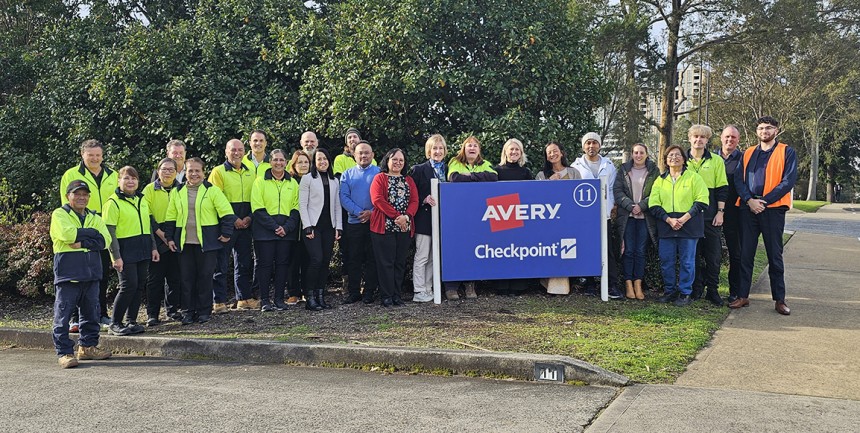
Our Approach
We consider social, ethical and environmental factors across our operations, supply chain and product development activities. Our focus includes responsible sourcing, workplace standards, local manufacturing and participation in recognised industry programs.
SEDEX Membership
Avery is a member of Sedex, a global platform that supports organisations in managing and improving responsible business practices within their supply chains.
Through our participation in Sedex, we assess and monitor areas including:
- labour standards
- workplace health and safety
- business ethics
- environmental management
The Sedex framework aligns with internationally recognised principles, including those established by the International Labour Organization (ILO).
These principles include:
- Employment is freely chosen
- Freedom of association and collective bargaining are respected
- Working conditions are safe and hygienic
- Child labour is prohibited
- Wages meet applicable legal requirements
- Working hours comply with applicable laws and standards
- Discrimination is prohibited
- Regular employment is provided
- Harsh or inhumane treatment is prohibited
FSC® Certified Materials
The paper materials used in most of our paper-based labels are sourced from FSC® certified forests and controlled sources (FSC® C118222).
FSC® certification provides assurance that forest products originate from responsibly managed forests that meet recognised environmental, social and economic standards.
APCO Membership
Avery Products is a member of the Australian Packaging Covenant Organisation (APCO).
As part of our membership, we participate in Australia's co-regulatory packaging stewardship framework and report annually on our packaging commitments and progress.
Information relating to our APCO Action Plan and annual reporting is publicly available through the APCO website.
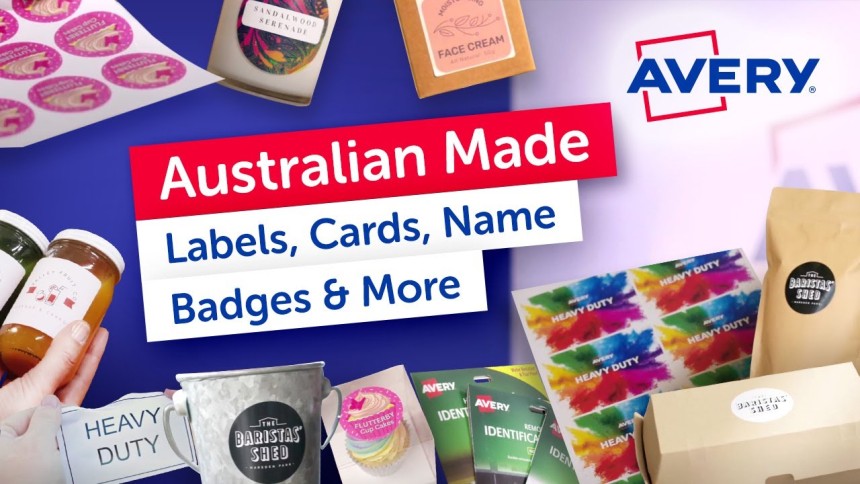
Made In Australia
Many Avery products are manufactured at our facility in Castle Hill, Sydney.
Local manufacturing supports Australian jobs and allows us to maintain oversight of our production, quality and supply processes.
By manufacturing products closer to our Australian customers, we can reduce transportation stages within our supply chain compared with products that are fully imported.